
Hepatic Cancer (Liver Cancer)
Hepatic cancer, commonly known as liver cancer, occurs when malignant cells develop in the liver. The liver is a vital organ that performs many essential functions including filtering toxins from the blood, producing bile to help digest fats, storing nutrients, and manufacturing proteins necessary for blood clotting.
Types of Liver Cancer
Primary Liver Cancer This type begins in the liver itself. The most common forms include:
Hepatocellular carcinoma (HCC) - the most common type, arising from liver cells (hepatocytes)
Cholangiocarcinoma - cancer that develops in the bile ducts within the liver
Angiosarcoma - a rare cancer that begins in the blood vessels of the liver
Secondary Liver Cancer (Metastatic) This occurs when cancer from another part of the body spreads to the liver. Common sources include colorectal, breast, lung, and pancreatic cancers. Secondary liver cancer is more common than primary liver cancer.
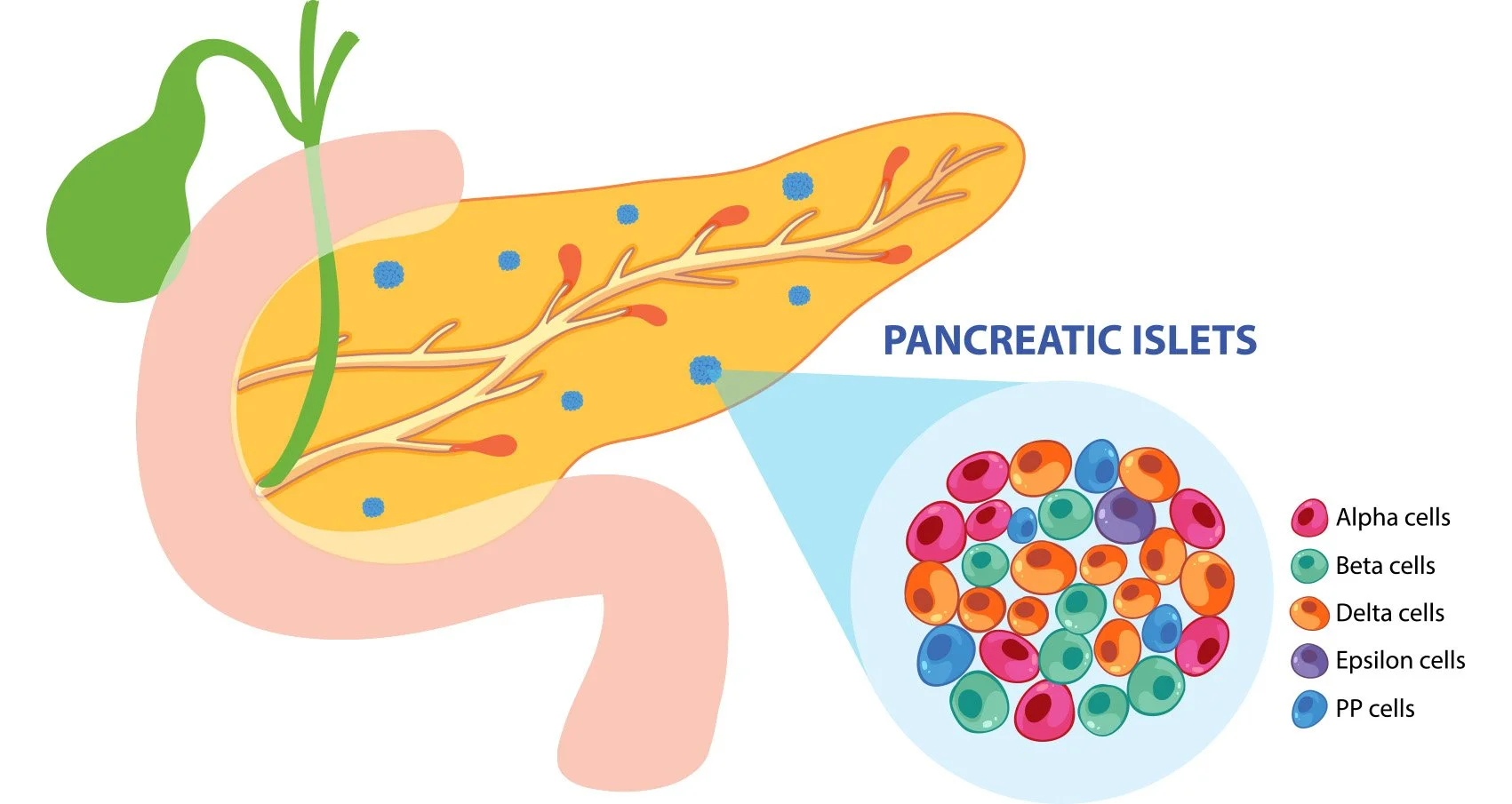
Further details about Pancreatic Endocrine Tumours
Risk Factors
Several factors can increase the risk of developing liver cancer:
Chronic liver conditions:
Hepatitis B or C infection
Cirrhosis (scarring of the liver)
Non-alcoholic fatty liver disease
Excessive alcohol consumption over many years
Other risk factors:
Diabetes
Obesity
Exposure to aflatoxins (toxins from certain moulds)
Inherited liver diseases such as hemochromatosis
Age (more common in people over 60)
Gender (more common in men)
What are the symptoms of Liver Cancer?
Early-stage liver cancer often has no symptoms. As the cancer progresses, symptoms may include:
Unexplained weight loss
Loss of appetite
Upper abdominal pain or discomfort
Abdominal swelling or bloating
Fatigue and weakness
Nausea and vomiting
Yellowing of the skin and eyes (jaundice)
Dark urine
Pale, chalky stools
Fever
What are teh treatment options for Hepatic Cancer?
Treatment depends on the stage of cancer, liver function, and overall health. Options may include:
Surgery
Liver Resection This involves removing the portion of the liver containing the cancer. The liver has a remarkable ability to regenerate, so healthy liver tissue can grow back after surgery. This option is typically considered when:
The cancer is confined to one part of the liver
The remaining liver is healthy enough to function properly
The patient is in good overall health
Liver Transplantation Complete replacement of the liver may be considered for selected patients with:
Small tumours that cannot be removed by resection
Underlying cirrhosis
Good overall health status
No evidence of cancer spread outside the liver
Non-surgical treatments
Radiofrequency ablation - using heat to destroy cancer cells
Microwave ablation - using microwave energy to heat and destroy tumours
Chemoembolization - delivering chemotherapy directly to the liver tumour
Radioembolization - delivering radioactive particles to the tumour
Targeted therapy - medications that target specific cancer cell features
Immunotherapy - treatments that help the immune system fight cancer
Supportive care
Management of symptoms and side effects
Nutritional support
Pain management
Emotional and psychological support
Prognosis
The outlook for liver cancer depends on several factors:
Stage of cancer at diagnosis
Type of liver cancer
Overall liver function
Patient's general health
Response to treatment
Early detection and treatment generally lead to better outcomes. Even in advanced cases, treatments can help control the disease and improve quality of life.
Prevention
While not all liver cancers can be prevented, you can reduce your risk by:
Getting vaccinated against hepatitis B
Avoiding excessive alcohol consumption
Maintaining a healthy weight
Managing diabetes effectively
Avoiding exposure to toxins
Getting regular medical check-ups if you have risk factors
General Surgery across Lake Macquarie, Newcastle, Hunter Valley, Gateshead
Our surgeons see both public and private patients in the Surgery Central consulting rooms in the Lake Macquarie Specialist Medical Centre and operate in both public and private hospitals.