
Hiatus Hernia Repair
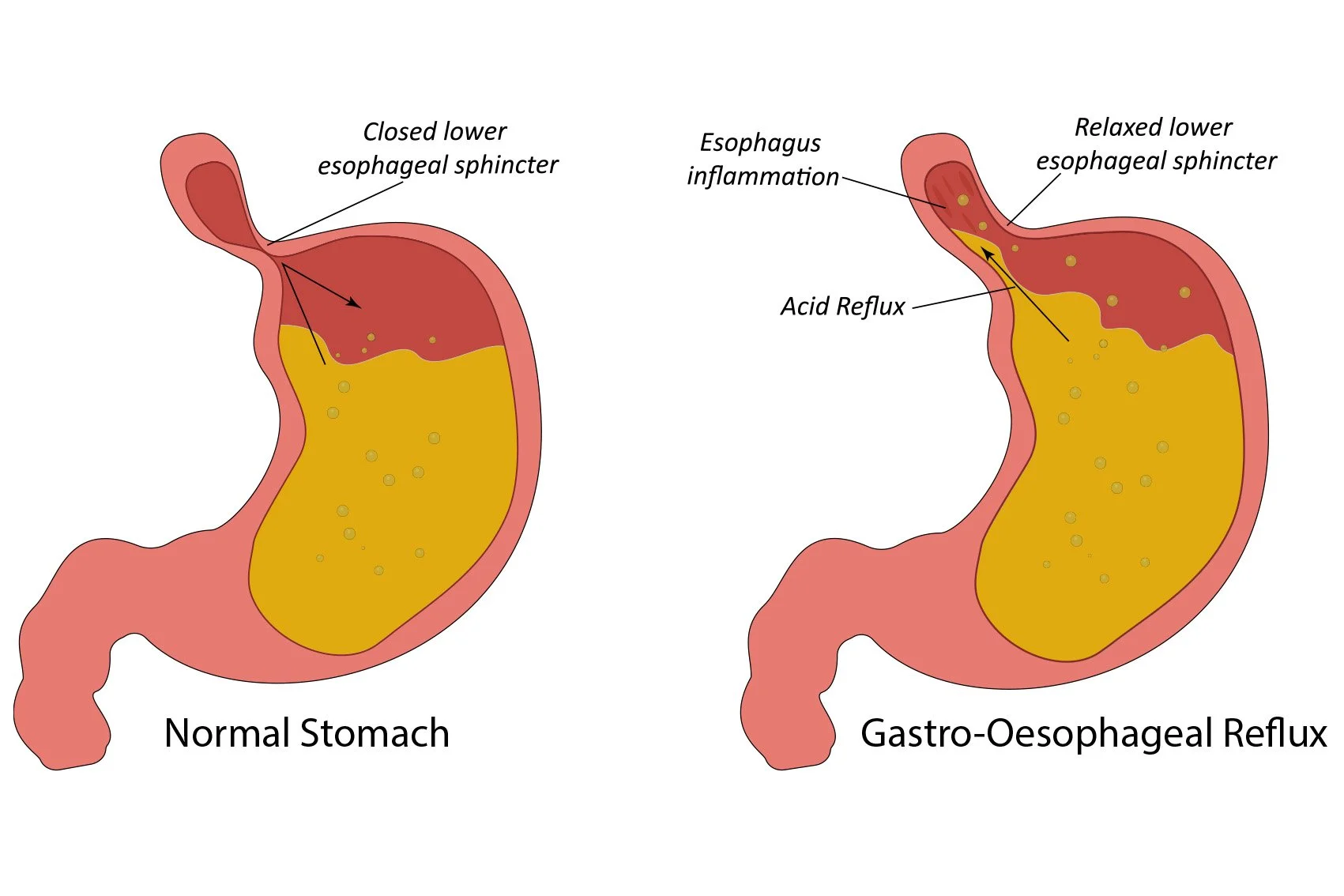
A hiatus hernia occurs when part of the stomach pushes up through the diaphragm into the chest cavity through an opening called the hiatus. The diaphragm is the large muscle that separates the chest from the abdomen and helps with breathing. When the opening becomes enlarged or weakened, the stomach can slide up through it, causing various symptoms and complications.
Types of Hiatus Hernia
Sliding Hiatus Hernia (Type 1) This is the most common type, where the junction between the oesophagus and stomach slides up into the chest. This type often causes gastro-oesophageal reflux disease (GORD) symptoms.
Para-oesophageal Hernia (Type 2, 3, and 4) In these types, part or all of the stomach rolls up beside the oesophagus into the chest cavity. These can be more serious as they may become twisted or trapped, potentially cutting off blood supply to the stomach.
Symptoms of Hiatus Hernia
Many people with small hiatus hernias have no symptoms. However, larger hernias can cause:
Heartburn and acid reflux
Chest pain or pressure
Difficulty swallowing
Feeling full quickly when eating
Shortness of breath
Nausea and vomiting
Upper abdominal pain
Food or acid regurgitation
When is Surgery Recommended?
Surgery may be recommended when:
Symptoms significantly impact quality of life despite medical treatment
Medications for acid reflux are not adequately controlling symptoms
There are complications such as bleeding, ulceration, or narrowing of the oesophagus
The hernia is large (para-oesophageal type) and at risk of complications
There is evidence of the stomach becoming twisted or trapped
Hiatus Hernia Repair Surgery - About the Procedure
Laparoscopic Approach Most hiatus hernia repairs are performed using minimally invasive laparoscopic (keyhole) surgery. This involves making several small incisions in the abdomen rather than one large incision. The surgeon uses a small camera and specialized instruments to perform the repair.
The Procedure During surgery, the surgeon will:
Reduce the hernia by pulling the stomach back down into the abdomen
Repair the enlarged hiatal opening in the diaphragm
Often perform a fundoplication (wrapping part of the stomach around the lower oesophagus) to prevent acid reflux
Secure the repair with sutures or mesh if needed
Hospital Stay Most patients stay in hospital for 1-2 nights after laparoscopic hiatus hernia repair. Some patients may go home the same day depending on their recovery and the complexity of the procedure.
Benefits of Laparoscopic Surgery
Smaller incisions and less scarring
Reduced post-operative pain
Faster recovery time
Lower risk of infection
Shorter hospital stay
Earlier return to normal activities
Laparoscopic hiatus hernia repair has high success rates, with most patients experiencing significant improvement in their symptoms. The majority of patients are satisfied with their results and experience better quality of life after recovery.
Risks and Complications
While hiatus hernia repair is generally safe, all surgery carries some risks:
Common risks:
Temporary difficulty swallowing
Bloating and gas-related discomfort
Nausea and changes in bowel habits
Less common risks:
Bleeding requiring transfusion
Infection
Injury to surrounding organs
Recurrence of the hernia
Persistent reflux symptoms
Conversion to open surgery
General anaesthetic risks:
Heart problems
Lung problems
Blood clots
Drug reactions
Follow-up Care
Regular follow-up appointments are important to monitor your recovery and ensure the repair is successful. You may need:
Follow-up visits at 2 weeks, 6 weeks, and 6 months post-surgery
Dietary counselling
Occasional imaging studies to check the repair
Long-term monitoring for symptom recurrence
Your surgeon will provide specific instructions based on your individual case and recovery progress.
General Surgery across Lake Macquarie, Newcastle, Hunter Valley, Gateshead
Our surgeons see both public and private patients in the Surgery Central consulting rooms in the Lake Macquarie Specialist Medical Centre and operate in both public and private hospitals.